I have transitioned over to a new blog platform. To continue following my blog posts find me here:
Thursday, January 18, 2018

Monday, January 8, 2018
Memories, Dreams, and Reflections 2017
It's that time of the year again! Time for me to look back at the year and remember all the fun and joyful adventures. This is my seventh year doing my memories, dreams, and reflections!
This past year brought big changes to our lives with a move from our wonderful home and friends in South Africa and starting to build a new home and friendships in Yangon, Myanmar.
 Me and my mini-me at Disneyland!

 This is winter in Cape Town! It was a bit chillier than it looks, but not much. This is from last February when Gramma Esther escaped her winter in Wisconsin and came for a visit to South Africa.


 I don't really take macro pictures, so here is a picture of an orchid growing outside my apartment building!
 Making the Pleva family cutouts! It's one of our christmas traditions!

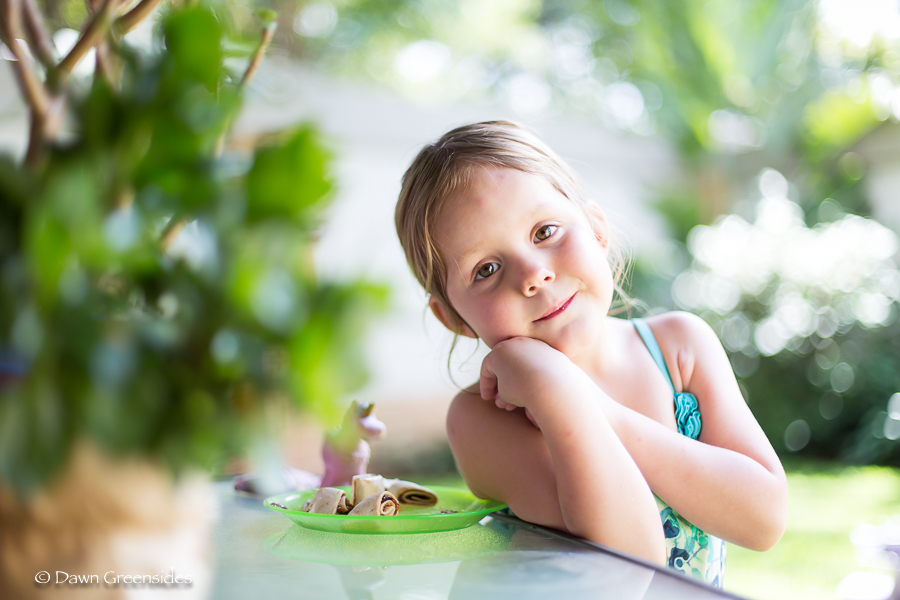 My sweet girl, you are fun, kind, generous, smart, sneaky, happy, and such a bright light in my life! I can't stop you from growing up, but please stay warm, stay kind, keep your optimistic and beautiful view of the world for as long as you can!


This past year brought big changes to our lives with a move from our wonderful home and friends in South Africa and starting to build a new home and friendships in Yangon, Myanmar.
1. Me
2. I Love You

3. Still Laughing
Not really laughing, but awww-ing. I love this picture of my nephew Owen from when they visited us here in South Africa.
4. Winter Wonderland
5. Birthday
Piper turned 5 in November! She's getting to be such a big girl!
6. Friends
Piper started a new school this year and has made lots of new friends.
7. I Was Inspired
Trying to improve my photography skills, I took an online course and this is one of my creations.
8. Spring Fever
We spent Easter with our friends the Luries in beautiful Stellenbosch! Piper met this friendly little owl.
9. Travel
On our way to the US from Myanmar we took a 34 hour layover in Tokyo. It was great, we explored one of the famous temples, ate some great food, and got to walk and explore!
10. Summer Days

This summer for our home leave we rented a beach cottage in San Diego and Piper spent two weeks of summer days playing in the sand, boogie boarding, learning to surf, and exploring an amazing city!
11. A Day in My Life
We moved from Pretoria, South Africa to Yangon, Myanmar at the end of May. What a change. My days went from going to Joburg or Hatfield to work with my Wits RHI colleagues, to working from my home office in our new apartment overlooking Yangon. I'm very lucky that I still get to continue a lot of my work with South Africa, but sad I don't get to see my colleagues friendly faces anymore. This is the view from our apartment, can't complain about that!
12. All Smiles
This summer we took Piper to Disneyland, CA for the first time. As you can expect, it was magical! Meeting Tink, Elsa and Anna, Cinderella, Aurora, Ariel, Mickey, Minnie, Daisy, brought lots of smiles to Pipers face!
13. Autumn Harvest
Autumn in Myanmar is hot, humid, and rainy! But that didn't stop us from having an awesome halloween!
14. Family
Cousins! Owen in Arizona, and Kailey and Richie in Wisconsin! Piper loves her cousins and a baby brother for Owen is on the way!
15. Celebrate
We celebrated Karen New Year in December!
16. Let's Do It Again
In October, after we returned to Myanmar from home leave, we went to Ngwe Saung beach with friends. I'm looking forward to returning
17. I Miss You
We left South Africa in May and left behind Grace and Naledi, our South African family. We miss them very much!
18. Beautiful

My beautiful little girl all dressed up for a Thadingyut party at school!
19. Dress Up
Piper wanted to be a cat for Halloween, so somebody had to be her litter box!
20. Macro
21. Holidays
22. My Favorite
My favorite game drive - Kruger National Park when my brother and sister-in-law visited.
23. Don't Ever Change
24. Just Because
In 2015 I signed Paul and I up for a birding "cruise to nowhere" with Bird Life South Africa set to sail in April 2017. Two years later we were on the ship! We headed south from Cape Town to the continental shelf and from there we sat on the decks with hundreds of other birders and watched sea birds that rarely ever come to land. It was awesome. This was a highlight - A Sooty Albatross!
25. Hopes and Dreams
My family (and a few little friends) from the last day of 2017 in front of the Upattasanti Pagoda in Naypyidaw. My hopes for the new year are that we continue to get to know our new country, we get to spend quality time with our family and friends, and we enjoy all the adventures and new things we'll see and do over the next year and appreciate that we are so lucky to have this amazing life!
As always I want to give credit to Ashley Sisk who created the MDR prompts that I use each year.
As always I want to give credit to Ashley Sisk who created the MDR prompts that I use each year.
Friday, January 5, 2018
Peoples Park
We recently visited People's Park near Shwedagon to get some photos of my two favorite people! Beautiful day, beautiful setting!


Shwedagon Pagoda
We finally visited Shwedagon Pagoda, the big beautiful pagoda we can see out of our window of our apartment. This is the most sacred Buddhist pagoda in Myanmar as it is believed to house eight strands of hair from the Buddha himself.
From wikipedia:


From wikipedia:
Historians and archaeologists maintain that the pagoda was built by the Mon people between the 6th and 10th centuries AD. However, according to legend, the Shwedagon Pagoda was constructed more than 2,600 years ago, which would make it the oldest Buddhist stupa in the world. According to tradition, Taphussa and Bhallika — two merchant brothers from the north of Singuttara Hill what is currently Yangon met the Lord Gautama Buddha during his lifetime and received eight of the Buddha's hairs. The brothers returned to Burma and, with the help of the local ruler, King Okkalapa, found Singuttara Hill, where relics of other Buddhas preceding Gautama Buddha had been enshrined. When the king opened the golden casket in which the brothers had carried the hairs, incredible things happened:
| "There was a tumult among men and spirits ... rays emitted by the Hairs penetrated up to the heavens above and down to hell ... the blind beheld objects ... the deaf heard sounds ... the dumb spoke distinctly ... the earth quaked ... the winds of the ocean blew ... Mount Meru shook ... lightning flashed ... gems rained down until they were knee deep ... all trees of the Himalayas, though not in season, bore blossoms and fruit." |
None of that happened when we went there, oh well.
We bought a flower at the entrance so Piper could place it on her planetary post (Wednesday am - Elephant with tusks)
The stupa is surrounded by hundreds of smaller pagodas and temples filled with Buddha statues
Two chintes guard each entrance to the pagoda complex
The view of Shwedagon from across People's Park
Subscribe to:
Posts (Atom)